Koh Tao marine life by month
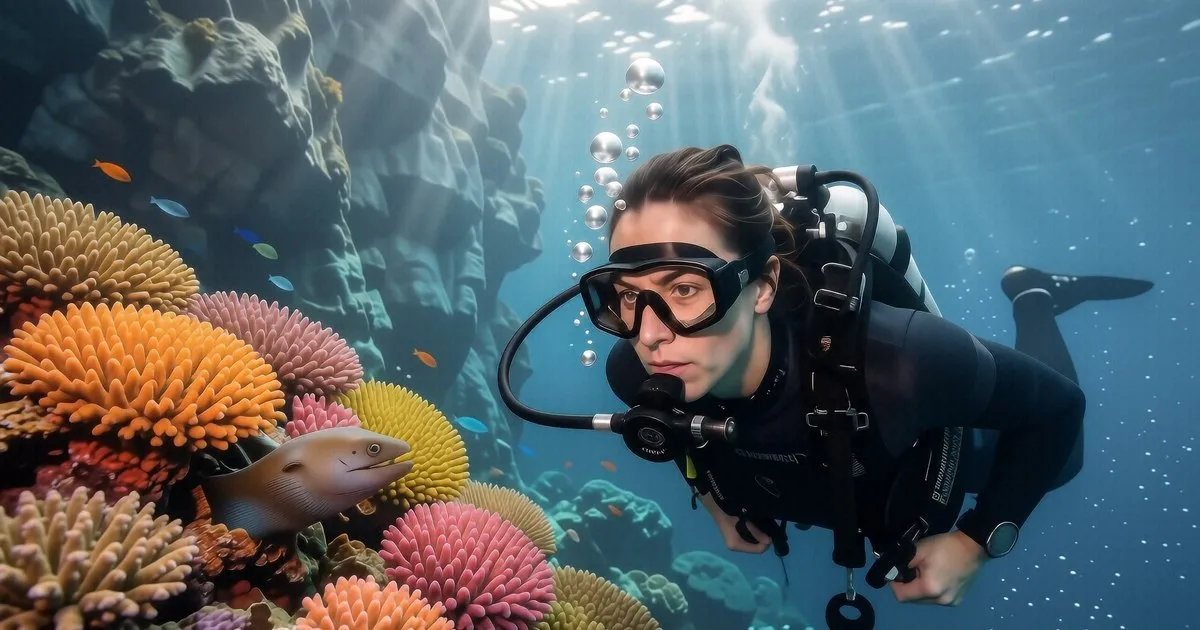
The reality of Koh Tao marine life
Expect many small fish. Most divers come here for the Koh Tao reef fish that inhabit the coral gardens. You will see clownfish, damselfish, and parrotfish everywhere. These fish are common.
I remember diving near Cham Bay in 2015 when the biodiversity felt much denser. While the colorful reef fish remain abundant, the larger predators are harder to find now. This change is noticeable for experienced divers who remember the older ecosystem.
It is not a big-game destination. You should manage your expectations accordingly. If you want massive pelagics, you might prefer Komodo instead.
Whale shark koh tao sightings
Timing is everything here. The primary windows for seeing a whale shark are March to May and September to October. These months offer the best chance.
I once spent three days following a single whale shark near Sail Rock in April 2018. It stayed at depths of 15 m while feeding on plankton. You need patience for this.
Plankton levels drive these sightings. When the currents bring nutrients, the giants arrive. Most sightings happen because the water temperature stays between 28°C and 30°C during these peak months.
Don’t chase them aggressively. Most dive boats follow strict local guidelines to protect the animals. Keep your distance of at least 3 m at all times.
Koh tao sharks and changing populations
Shark numbers have declined. Data suggests that reef shark sightings dropped by 70% since 2010. This is a hard truth.
I noticed this trend personally while working as a divemaster. In the early 2010s, blacktip reef sharks were a standard part of every Sail Rock dive. Now, they are much rarer.
Bull sharks are another story. They remain rare but are occasionally documented at Sail Rock or near Chumphon. These encounters are usually brief.
Predator density is lower now. You will still see some sharks, but they do not dominate the reef like they used to. Focus on the smaller species instead.
Finding chevron barracuda at Sail Rock
Sail Rock is a powerhouse. This site sits about 15 km from the main island. It is a big dive.
Chevron barracuda are common here. They often form large schools that move through the blue. I saw a school of 50+ individuals in 2019.
Chumphon Pit is another spot. The currents here can be quite strong. You must be a confident diver to enjoy this site effectively.
Visibility usually hits 15 m or more. The drop-offs are steep and exciting. Watch the edges of the reef for movement.
Pink anemonefish at Twin Pinnacles
Twin Pinnacles offers great macro. This site is famous for specific species. Look closely at the corals.
Pink anemonefish live here frequently. They hide within the stinging tentacles of anemones. These fish are quite small.
I spent twenty minutes watching a pair in 2021. They defend their territory with surprising aggression. It is a great sight for macro lovers.
Check your buoyancy often. You do not want to hit the delicate coral structures. Stay steady while you observe.
Macro life at Aow Leuk
Aow Leuk is different. This area serves as a hub for macro enthusiasts. The terrain is much flatter here.
Nudibranchs are everywhere in this zone. You can find many species if you look at the rubble. Some are very tiny.
Frogfish also inhabit these shallow areas. They blend into the surroundings with incredible skill. Finding them requires a sharp eye.
I often visit Aow Leuk for relaxed dives. It is perfect after a heavy current dive elsewhere. The pace is much slower here.
Seasonal changes and water conditions
Weather dictates your experience. The monsoon seasons change everything. Plan your trip carefully.
From May to August, the sea can get rough. Large swells often make boat trips difficult or even impossible. This is the rainy season.
Between November and February, the water is calmer. However, visibility might drop due to runoff. Check local weather reports before you go.
Temperature stays warm year-round. You rarely need a thick wetsuit for these dives. A 3 mm suit is usually enough.
Preparing for your dive trip
Check your certification level. Many Koh Tao sites require a minimum of an Open Water Diver rating. Don’t rush it.
If you are a beginner, start at Crystal Bay. The currents there are much more manageable for new divers. It is a safe starting point.
Always use a dive computer. Depth and time management are vital in the changing currents of the Gulf of Thailand. Safety comes first.
Read about DAN guidelines. Understanding decompression sickness is essential for anyone diving in these tropical waters. Stay informed.
If you want to see the best macro, bring a macro lens. Small creatures like nudibranchs require close inspection. Good luck.
Frequently asked questions
When is the best time for whale sharks in Koh Tao?
The two main peaks occur from March to May and again from September to October. I saw a juvenile in April 2018 near Sail Rock during this window.
Are there many sharks in Koh Tao?
Large reef shark sightings have dropped by approximately 70% since 2010. You are more likely to see barracuda or small blacktip reef sharks today.