Komodo National Park: liveaboard-first diving guide
Indonesia · East Nusa Tenggara
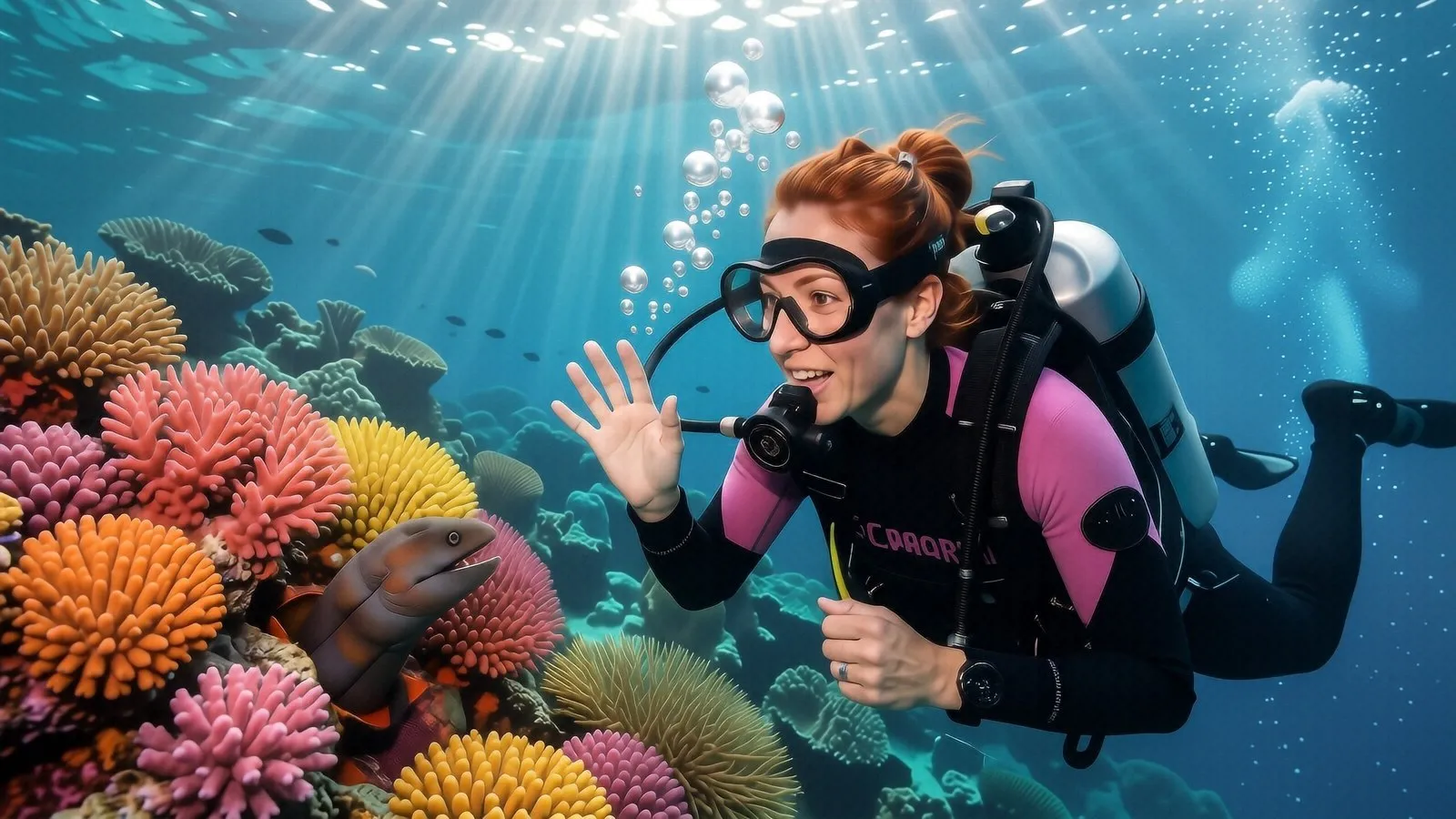
The reality of Komodo currents
Komodo is not for beginners. You will face currents that push 4 knots or more. This is common at almost every major site. I remember a dive in July 2017 near cauldron-shotgun where the surge nearly pulled my mask off. You need to be comfortable with high-flow environments.
Most divers use reef hooks here. These metal tools allow you to stay stationary on a hard reef. Without them, you might drift away from the action. It is physically demanding work.
Do not underestimate the surge. Even in calm water, the swell moves significantly. You must master your buoyancy before attempting the northern islands.
Seasonal timing and water conditions
The best months are March through October. This window offers the most stable weather for liveaboard itineraries. During these months, visibility stays between 15 m and 30 m.
Temperature varies by location. The north stays warm at 26-29°C throughout the year. However, the southern sites drop to 22-26°C during the cooler months. You should pack a 3 mm or 5 mm wetsuit for southern trips.
Avoid the peak monsoon from December to February. Heavy rain makes boat transfers difficult and dangerous. Winds also make the crossing from Labuan Bajo quite rough.
Essential Komodo dive sites
The park splits into two distinct zones. The north is famous for massive fish and pinnacles. You will find incredible life at batu-bolong because it acts as a nutrient magnet. This site is a small rock covered in soft corals.
Many divers seek out manta-alley-komodo for cleaning stations. You might see several mantas at once. It is a high-energy dive.
In the south, the conditions change. siaba-besar offers shallower, calmer waters for turtle watching. If you want more macro, look toward the southern reefs.
castle-rock and crystal-rock are legendary northern pinnacles. They host large schools of trevally and sharks. These sites require precise navigation.
Always check the tide charts. A site like cauldron-shotgun can become impossible during peak tidal shifts. The water moves with immense force there.
Liveaboard vs day boat logistics
A liveaboard is almost mandatory for a good trip. Day boats leave Labuan Bajo early in the morning. They often struggle to reach the best northern sites before the crowds arrive.
Most liveaboards run 4-day or 7-day itineraries. You sleep on the boat near the dive sites. This saves hours of transit time each day.
Prices for a 4-day liveaboard in 2026 start around $850 USD. High-end luxury boats can exceed $1,500 USD per person. Day trips are cheaper but much more tiring.
You must fly into Labuan Bajo (LBJ). Most flights come from Bali or Jakarta. Check your arrival time carefully. If you arrive after 12:00 PM, you might miss your boat departure.
Safety and experience requirements
This is an advanced destination. I advise against diving here with only 30 dives under your belt. You need to know how to manage gas consumption in currents.
Safety incidents do happen in Komodo. Most involve divers getting separated from the group. Always carry a reliable SMB (Surface Marker Buoy).
Training is vital. If you feel unsure, take a drift diving course first. Do not attempt to fight the current. Instead, find a rock and use your hook.
Cost benchmarks for 2026
Budgeting for Indonesia requires precision. A standard dive package includes meals and gear rental. Expect to pay $45 USD per day for local dive center fees if staying on land.
Liveaboard costs are higher but more efficient. You should budget $1,000 USD for a mid-range 4-day trip. This covers your accommodation, food, and roughly 10-12 dives.
National Park fees are separate. You will pay approximately $30 USD per person for entry permits. These fees help protect the marine ecosystem.
Don’t forget your tips. It is standard to tip boat crews and guides. Aim for $10 USD per day per person.
The downsides of Komodo
Crowds are a real issue. At sites like Manta Alley, you might see five boats at once. This makes the experience feel less remote.
Marine debris is also increasing. I saw significant plastic runoff near some southern reefs in 2022. It is disappointing to see trash in such a protected area.
Weather can ruin plans. Sudden storms can force boats back to Labuan Bajo. This often happens during the transition months of March and November.
Navigating the north and south
The north offers the most excitement. You will find reef sharks and massive schools of fish. The water is deeper and more challenging.
South Komodo feels different. It is much more colorful and shallower. This area is better for photographers who prefer calmer conditions.
Many liveaboards visit both zones. They spend three days north and two days south. This provides a balanced experience for most divers.
If you are new to currents, practice in a calm bay first. Do not try your first drift dive at Batu Bolong.
Dive sites in Komodo National Park: liveaboard-first diving guide
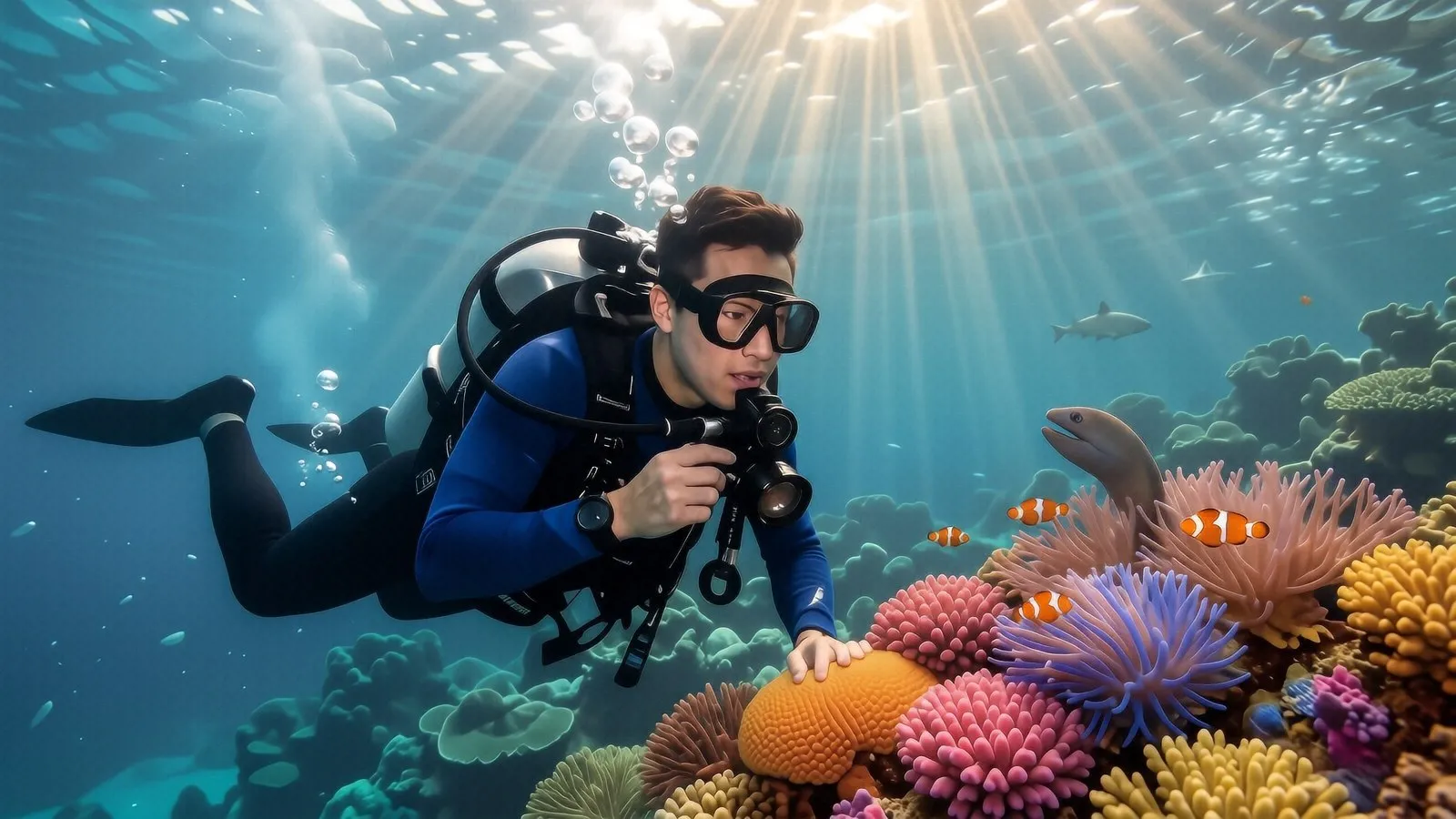
Batu Bolong (Komodo)
Reef shark · Barracuda · Turtle
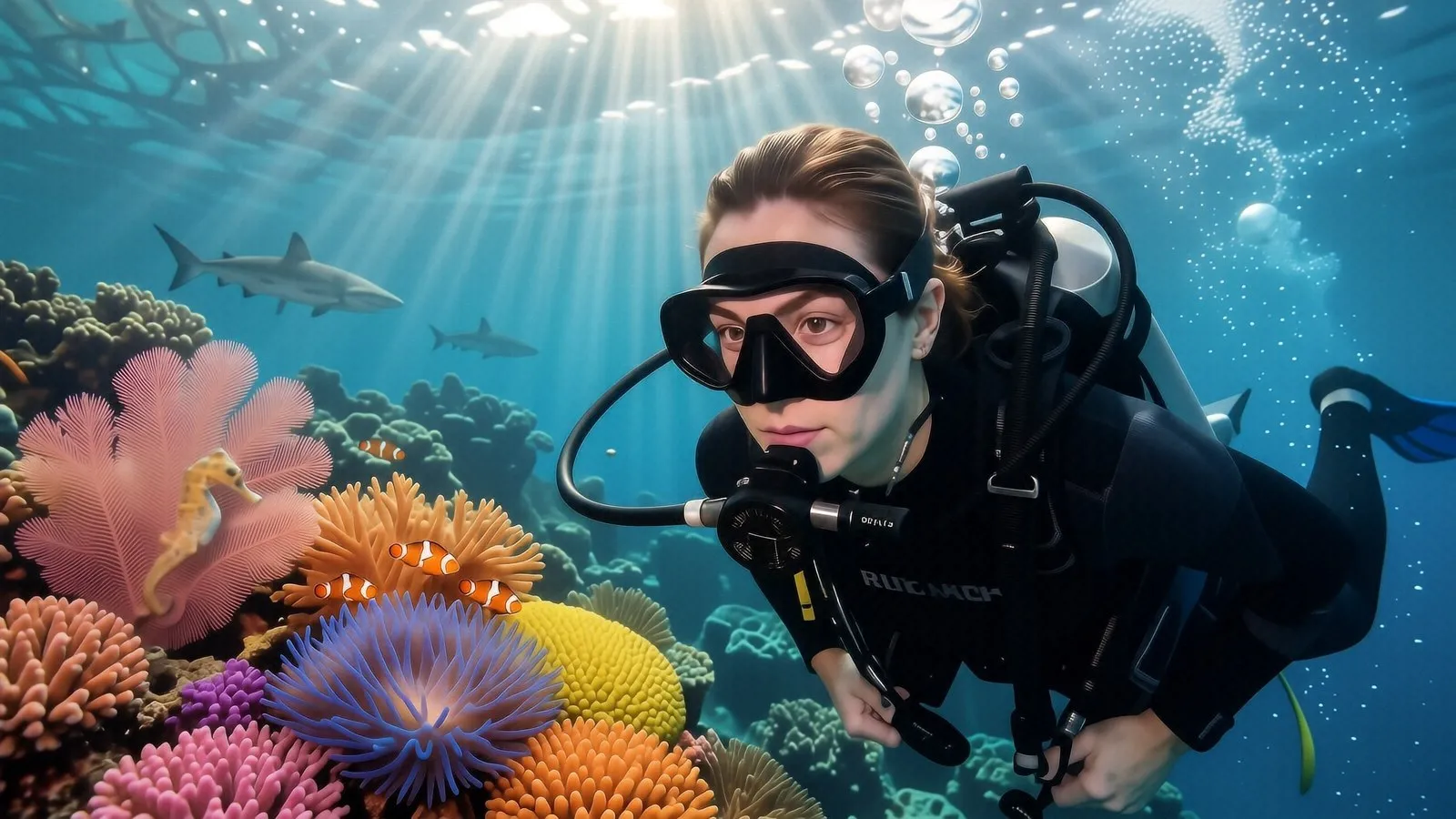
Castle Rock (Komodo)
Reef shark · Barracuda · ray
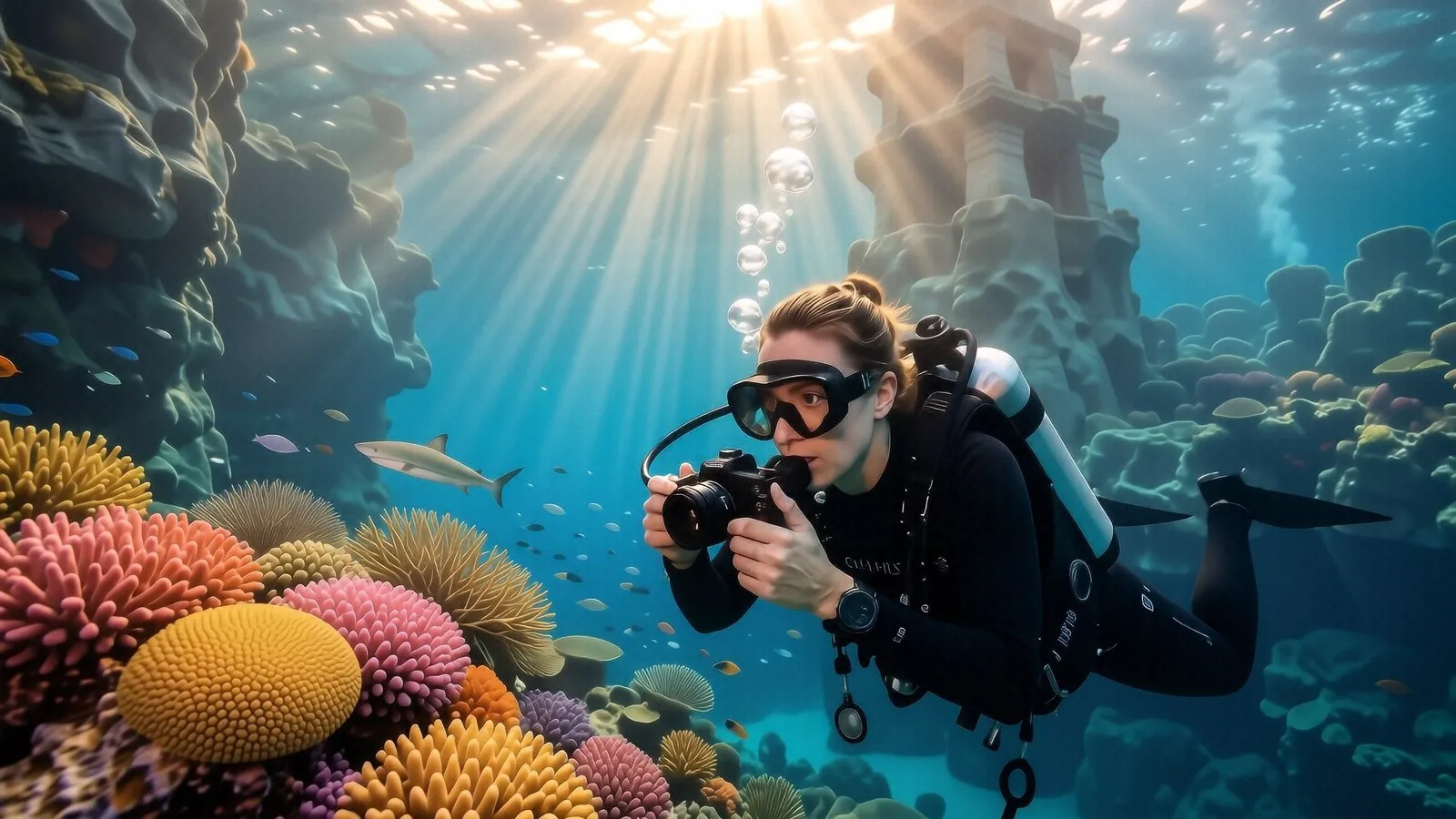
Cauldron / Shotgun (Komodo)
Reef shark · Barracuda · ray

Crystal Rock (Komodo)
Reef shark · ray · Turtle

Manta Alley (Komodo)
Manta
Siaba Besar (Komodo)
Turtle · Reef shark
Frequently asked questions
Do I need advanced certification for Komodo?
Yes. Most sites have currents exceeding 4 knots, so Advanced Open Water is highly recommended.
When is the best time to see mantas?
Mantas are present year-round, but sightings are most consistent between December and March in the south.
Is a liveaboard necessary?
It is preferred. Day boats from Labuan Bajo cannot reach the best northern sites efficiently.