Bali: a divers guide to the island and beyond
Indonesia · Lesser Sunda Islands
Three distinct worlds
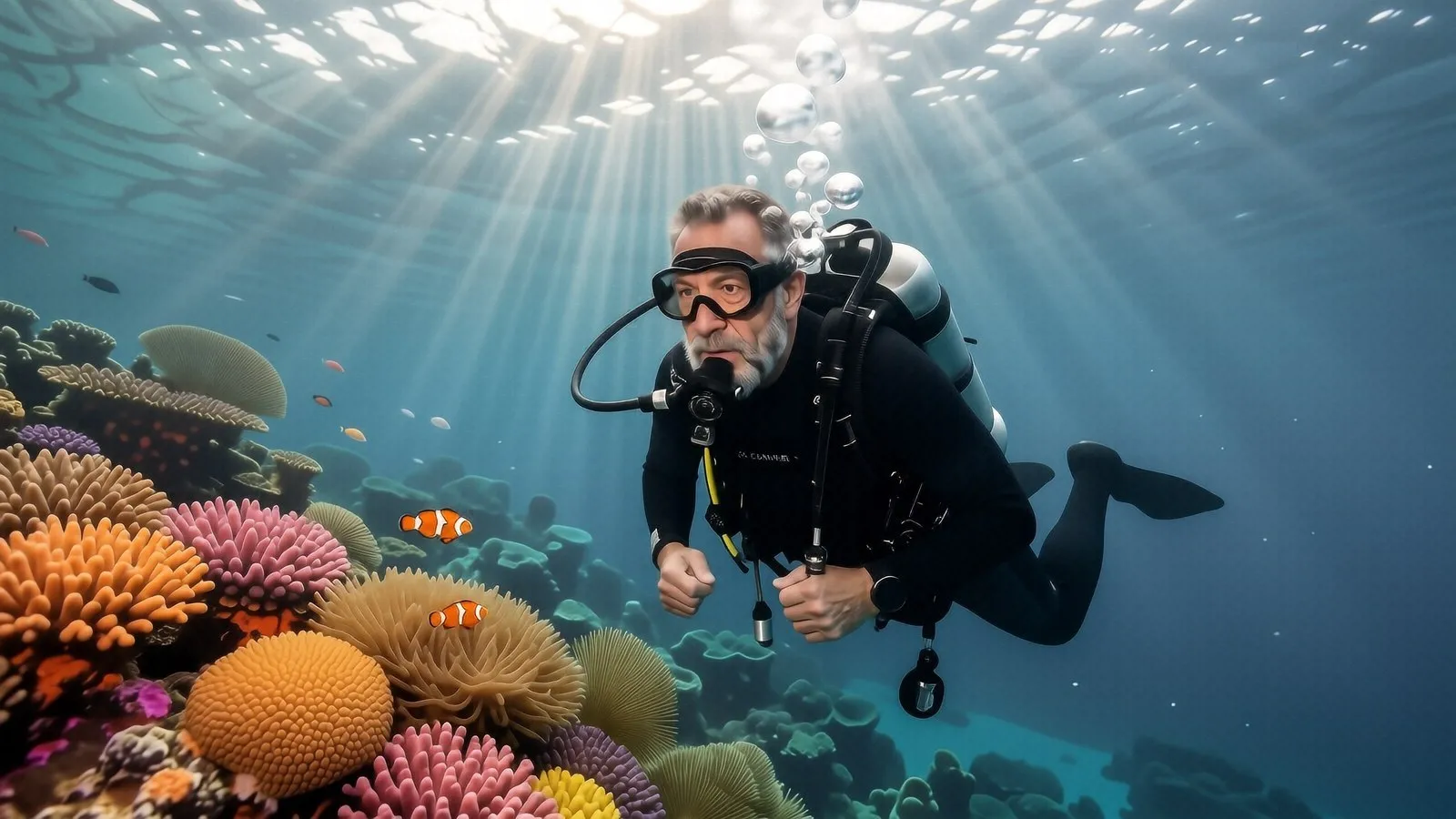
Bali is not one single diving experience. You choose between three very different ocean environments. East Bali offers easy, wreck-focused macro diving. The southeast brings heavy currents and massive pelagics. The northwest provides calm, colorful wall dives.
I remember diving in Tulamben during May 2014. The water was exceptionally still that day. I saw a pygmy seahorse at 12 m. It felt worlds away from the chaos of Kuta.
You must pick your hub carefully. Choosing the wrong base wastes time and money. Most divers split their trip between Tulamben and Nusa Penida.
When to dive Bali
The dry season runs from April to October. This is the best window for visibility. You can expect 15 m to 30 m of clarity. Visibility drops significantly during the monsoon months.
Water temperatures vary by region. Tulamben stays warm at 27-29°C. Nusa Penida is much colder. The thermocline in Nusa Penida hits 18-22°C between July and September. This cold water attracts the mola mola bali.
Pack a 5 mm wetsuit for Penida. A thin 3 mm suit works for Tulamben. Don’t forget your thermal layers. The currents can make you feel colder than the thermometer suggests.
Regional dive site overview
Tulamben is the easiest entry point. The uss-liberty-wreck-tulamben sits just meters from the shore. You can walk in with fins. It is perfect for photography.
Nearby, you will find the amed-japanese-wreck. This site is less crowded than the Liberty. It offers great macro life. Many divers stay in Amed for a quieter vibe.
Nusa Penida is much more intense. You go here for the big stuff. The manta-point-nusa-penida site is famous for reef mantas. Expect strong surge here. It is not a place for relaxed drifting.
If you want more variety, visit crystal-bay-nusa-penida. This site provides better protection from currents. It is great for seeing cleaner macro life. You might see nudibranchs here.
Menjangan offers a different pace. The menjangan-wall features incredible soft corals. The water is usually very calm. It is a great spot for advanced buoyancy practice. You can also find gili-mimpang in this region for deeper walls.
Comparing Bali and Komodo
Many divers ask about the difference. Komodo has more unpredictable currents. It also has much higher biodiversity. Bali is more accessible from Denpasar.
Bali is cheaper for long stays. You can find many dive resorts in Tulamben. Komodo requires expensive liveaboards or boat trips. The logistics in Bali are simpler.
Tulamben is better for macro lovers. Komodo is better for big pelagics. Choose Bali if you want variety without the high price tag. Choose Komodo if you want raw ocean power.
Course landscape and skills
Bali has many dive centers. You can take PADI or SSI courses anywhere. Most shops offer Open Water and Advanced courses. The price for an Advanced course is roughly $350 USD.
Do not skip the Advanced course. Nusa Penida requires deep diving skills. You will often hit 25 m or 30 m. The currents require good trim. If you struggle with buoyancy, stay in Tulamben first.
Advanced Nitrox is highly recommended here. It helps with longer bottom times on wrecks. It also manages nitrogen loads during repetitive dives. Most shops offer it for an extra $100 USD.
Cost benchmarks for 2026
Budgeting depends on your style. A budget hostel costs $15 USD per night. A nice dive resort is $60 to $90 USD. This usually includes breakfast and two dives.
Single tank dives cost $35 to $45 USD. A full day of three dives is $100 USD. This price often includes lunch. Always ask about boat fuel surcharges.
Food in local warungs is cheap. You can eat for $3 USD. High-end restaurants in Seminyak cost $25 USD per meal. Plan your spending based on your location.
Logistics and transport
Fly into Ngurah Rai International Airport (DPS). Most divers take a car to Tulamben. This drive takes 3 to 4 hours. The roads are often narrow and busy.
To reach Nusa Penida, take a ferry. You can catch boats from Sanur. The ride lasts about 45 minutes. It can be very bumpy in rough weather.
Menjangan is further away. You must drive 4 hours from Denpasar. Many divers combine Menjangan with North Bali trips. This requires a private driver for efficiency.
Safety and environmental realities
Safety is a major concern in Penida. The currents can pull you far offshore. Never dive alone in these areas. Always follow your guide’s instructions strictly.
Marine debris is an increasing problem. I saw significant plastic near Amed in 2022. This affects the local ecosystem. Please bring a reusable water bottle.
Sun protection is vital too. The tropical sun is very strong. Use reef-safe sunscreen only. Standard sunscreens damage the coral reefs.
The honest downsides
Bali can feel very crowded. Tulamben has many divers at the wreck. You might wait for a gap in the group. This can ruin the feeling of solitude.
Monsoon season brings heavy rain. It also brings lower visibility. Visibility can drop to 8 m in January. This makes diving less enjoyable.
Traffic in Bali is terrible. Moving between hubs takes much longer than expected. Use Google Maps to track your progress. Always add 30 minutes to any estimate.
If you want calm water, go to Menjangan. If you want big animals, head to Nusa Penida. Start with the USS Liberty wreck to build confidence before tackling the currents at Manta Point.
Dive sites in Bali: a divers guide to the island and beyond
Japanese Wreck Amed
Nudibranch · Frogfish

Crystal Bay Nusa Penida
Mola mola · Reef shark

Gili Mimpang Candidasa
Reef shark · Mola mola

Manta Point Nusa Penida
Manta

Menjangan Island wall dives
Turtle · Barracuda · Nudibranch

USS Liberty Wreck
Barracuda · Turtle · Frogfish
Frequently asked questions
When is the best time to see Mola Mola in Bali?
The peak season for Mola Mola is July to October because the thermocline brings cold, nutrient-rich water to Nusa Penida.
Is Bali diving suitable for beginners?
Tulamben is excellent for beginners due to shallow wrecks and low currents, but Nusa Penida requires advanced buoyancy skills.
How much does a single dive cost in Bali?
Expect to pay between $35 and $50 USD per dive depending on the location and whether you include boat transfers.