Thresher sharks of Monad Shoal
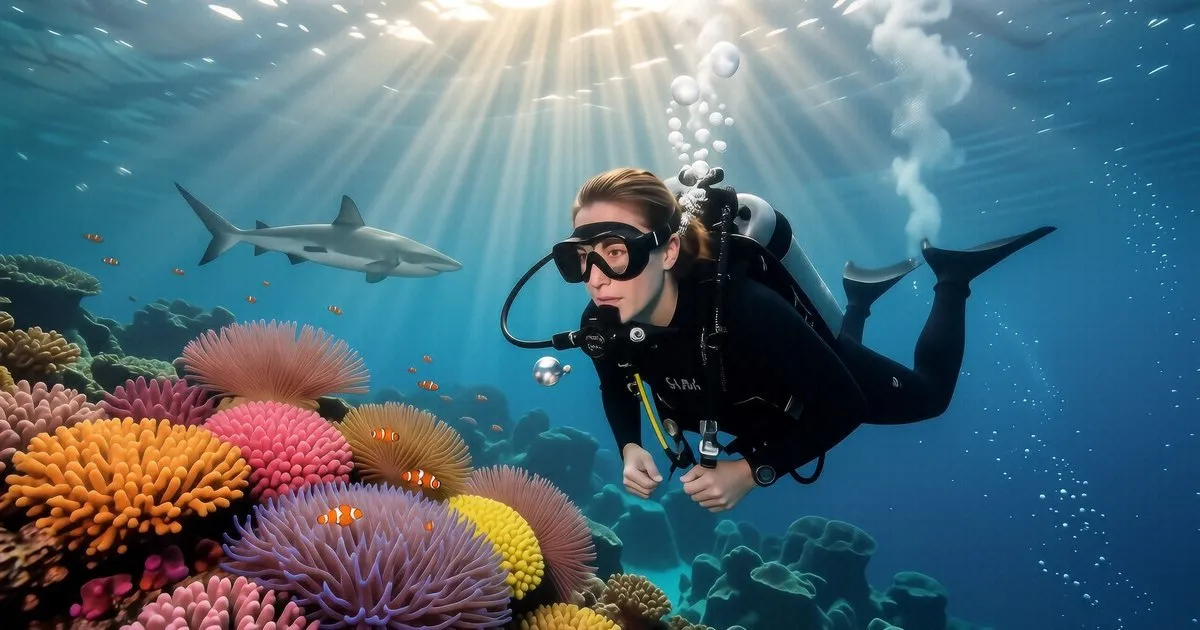
The dawn ritual at Monad Shoal
Darkness still hangs over Malapascua during the 05:00 roll-out. You must be ready. Most boats depart early because the cleaning station activity peaks between 05:30 and 07:00. I remember sitting on a cold deck in February 2018 while waiting for the sun to rise. The water stays warm, but the morning air feels sharp against your skin.
Success requires patience. You sit in the boat and watch the surface. Thresher sharks arrive when the light is low. They use the dim conditions to feel safe while they visit the cleaning stations. If you arrive at 08:00, you will likely miss the main action.
Early starts are hard. Most divers prefer sleeping in. However, the thresher shark Malapascua sightings depend entirely on this specific window of time. The sharks do not wait for latecomers.
Depth and technical requirements
The drop-off is steep. You will descend quickly. Monad Shoal is a pinnacle that rises from the deep ocean floor. Most sightings happen at depths between 28 m and 35 m. This depth makes the Advanced Open Water (AOWD) certification a practical necessity for most visitors.
Check your air. You need a large tank. Because the dives are often deep and involve long bottom times, many divers opt for a nitrox tank. Using EAN32 can extend your safety margins significantly. I always carry a redundant air source when diving these walls.
Watch your buoyancy. The current can be tricky. If you struggle with depth control, you might find the steep descent difficult. Practice in shallower sites like Crystal Bay before attempting Monad Shoal. This ensures you are ready for the verticality of the site.
Visibility and water conditions
Visibility changes daily. It is rarely constant. On a good day, you might see 25 m of clarity. On bad days, it drops to 12 m after a heavy rain or strong wind. I once dived here in late 2019 when the visibility was only 8 m due to seasonal runoff.
Surge is a factor. The swell can push you toward the wall. You must maintain a safe distance from the reef structure. This prevents accidental contact with the coral. Use your fins to stabilize yourself against the movement of the water.
Temperature is stable. The water stays around 27°C to 29°C. A 3 mm or 5 mm wetsuit is usually enough. I prefer a 5 mm suit because the early morning surface temperature feels much cooler than the deep water. Always check the local weather forecast before you head out.
Hammerheads at Kemod Shoal
Monad Shoal is not the only site. Kemod Shoal is nearby. It offers different opportunities. While Monad is about threshers, Kemod often hosts scalloped hammerheads. This usually happens between March and June.
Timing is everything. You should check with your boat captain about the current direction. The currents move between these two sites. If the current is strong, the sharks may stay deeper or move toward the outer edges of the reef. I saw a school of ten hammerheads in May 2021 near the edge of Kemod.
Don’t expect them every day. Marine life is unpredictable. You might see nothing but small reef fish. However, the chance of a hammerhead sighting increases during the mid-year months. It is worth planning your Malapascua diving trip around this window if large pelagics are your goal.
Planning your logistics
Accommodation varies widely. Most divers stay in Malapascua town. You can find many resorts that offer dive packages. These packages usually include boat trips, gear rental, and sometimes accommodation. Prices vary, but expect to pay roughly $35 to $50 USD per boat trip for standard dives.
Booking is straightforward. Most people book through their resort. You do not need to contact individual boat operators. The resorts handle the scheduling for the entire group. This makes the logistics much easier for solo travelers or couples. Just ensure you confirm the 05:00 start time in writing.
Transport is simple. You take a ferry from Cebu City to Maya. The ride takes about 3 to 4 hours. From Maya, a tricycle will take you to the island. It is a bumpy ride. Pack some motion sickness tablets if you are sensitive to the road.
Safety and diver preparedness
Safety is paramount. Always dive with a buddy. The depth and currents at Monad Shoal can cause separation if you are not careful. I have seen divers get caught in a current and drift away from the group. Never dive alone in these conditions.
Monitor your nitrogen levels. Deep dives require discipline. If you are using air, keep a close eye on your pressure gauge. If you use nitrox, use a dive computer to track your limits. Following the rules set by PADI or SSI is essential for preventing decompression sickness. For professional advice on safety, refer to DAN (Divers Alert Network).
Watch for signs of fatigue. The early mornings are tiring. If you feel unwell, tell your guide immediately. Do not push yourself just to see a shark. A safe dive is better than a risky one. Most guides are very experienced with these dawn schedules.
Comparing the sites
Monad Shoal is a specific target. It is a pinnacle. Kemod Shoal is more of a ridge. The experience at Monad is focused on the cleaning station behavior. You see the sharks hovering in one spot. This makes photography easier because the subjects are predictable.
Kemod is more dynamic. The hammerheads move through the area. You might have to search for them. It requires more active searching. I find that Monad is better for beginners who want guaranteed sightings. Kemod is for the experienced divers looking for a challenge.
Both sites are excellent. They offer different views of the marine life. Malapascua has become a world-class destination because of these two spots. You should try to visit both during a single trip. This gives you the best chance of seeing everything the region offers.
Gear recommendations for dawn dives
Bring a powerful torch. The light is low at 05:30. Even if the sun is up, the depth hides the colors. A primary light helps you see the shark’s tail clearly. I use a 3000 lumen light for these dives. It makes a huge difference in the blue water.
Wear a good mask. You need clear vision. If your mask leaks, it will ruin the experience. Check your seals before you leave the boat. A small leak at 30 m becomes a major problem very quickly. Keep a spare mask in your dive bag just in case.
Use a dive computer. Do not rely on your buddy’s watch. Every diver has a different profile. Your nitrogen loading depends on your depth and time. A reliable computer is your best tool for staying within safe limits. Check the battery levels before you arrive at the island.
If you want to see threshers, prioritize the 05:30 cleaning station window. If you have never dived in strong currents, practice at a sheltered site like Anilao before heading to the open ocean of Malapascua.
Frequently asked questions
When is the best time for thresher sharks?
Threshers are present year-round at Monad Shoal. However, the most reliable sightings occur during dawn dives between 05:30 and 07:00 when the cleaning station is active.
Do I need an Advanced Open Water certification?
Yes. The drop-off at Monad Shoal requires descending to depths of 30m to 40m, so PADI or SSI Advanced Open Water is a practical requirement.
Can I see hammerheads in Malapascua?
You can see hammerheads at Kemod Shoal. This usually happens between March and June when the currents bring them closer to the island.