Rescue Diver: is it worth doing
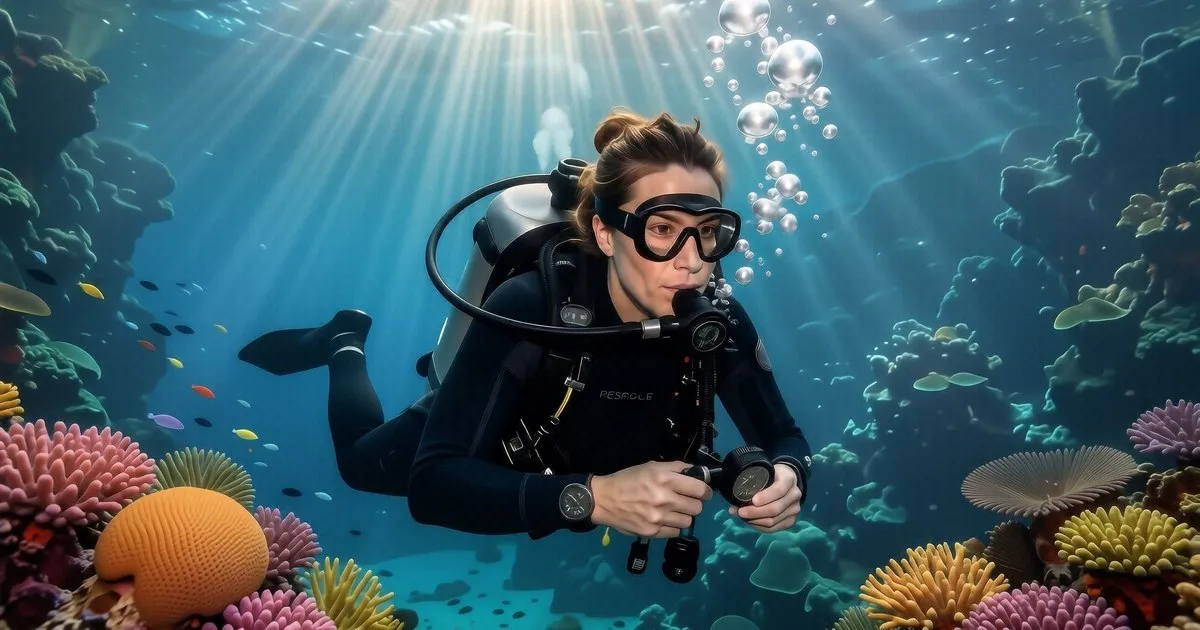
The reality of rescue training
Many divers skip this step. They feel safe after finishing their Advanced Open Water course. I saw this often during my time in Koh Tao in 2014. Many students believed that knowing how to check a computer was enough for safety.
Real emergencies are messy. A panicked diver does not follow your instructions easily. While you might never use these skills, the mental shift is massive. You stop looking at the fish and start watching your buddy’s buoyancy.
Confidence grows quickly. It is not about being a hero. It is about recognizing the subtle signs of stress before a crisis occurs.
Prerequisites and requirements
You cannot jump straight in. Most agencies require an Advanced Open Water certification first. You also need a valid EFR or CPR certificate to proceed. I remember a student in Cebu who tried to skip EFR because he felt confident. He struggled when we reached the actual medical assessment part of the training.
Check your logs. You should have at least 20 to 30 logged dives. This experience helps because you need to be comfortable in various conditions. If you are still struggling with basic buoyancy, this course will feel overwhelming.
Don’t rush it. Get your basics solid first.
What you actually practice
The curriculum covers specific scenarios. You learn how to manage a missing diver during a group dive. This involves search patterns and surface signaling. It is a practical skill.
Panic management is the core. You will practice the simulated rescue of a panicked diver using a controlled tow. This is physically exhausting. I found that my lung capacity felt tested after just three repetitions in the swell.
Scenario training varies by agency. The PADI rescue diver curriculum focuses heavily on standardized response protocols. Meanwhile, the SSI Stress & Rescue course emphasizes situational awareness and managing diver anxiety. Both methods work well if the instructor is experienced. You must practice breathing through the stress.
Avoiding the “fast-track” trap
Some schools promise a two-day certification. Avoid these places. They often skip the difficult water skills to save time. A real rescue course takes at least three to four days. You need time to fail and try again.
Look for local feedback. I once saw a school in a busy Thai hub offer a “rescue package” for only $150 USD. It was a disaster. They spent more time on paperwork than in the water. They did not even practice the simulated oxygen administration properly.
Quality matters most. A good instructor will push you until you are tired. This is how you learn to stay calm when your heart rate spikes.
The mental shift in diving
Your perspective changes completely. You begin to notice things like a diver’s breathing rate or their finning style. In 2018, I noticed a buddy in Komodo was struggling with a current before he even realized it. Because I had done my rescue training, I saw the signs early.
It is about prevention. You are not just learning to save lives. You are learning how to prevent accidents from happening in the first place. This awareness makes you a better dive buddy. It also makes the dive guides trust you more.
Safety becomes second nature. You watch the group. You check the surface. You monitor the depth.
Comparing PADI and SSI approaches
The choice often comes down to local availability. In many parts of Indonesia, PADI is the standard. If you want to dive in Anilao, you will find plenty of PADI instructors. The training is very structured and follows a strict sequence.
SSI offers great value in some regions. Their Stress & Rescue course is highly regarded for its focus on the psychological aspects of diving. Some divers prefer this because it feels less like a checklist. Both agencies follow the standards set by the RSTC. You will receive a valid certification either way.
Price is a factor. PADI materials can sometimes be more expensive than SSI equivalents. However, the difference is usually less than $50 USD. Do not choose an agency based solely on the cost of the manual. Choose based on the instructor’s reputation.
Physical demands and preparation
This is not a relaxing holiday. You will spend hours swimming in various conditions. You might have to perform a controlled ascent while towing a heavy weight. It is physically demanding work.
I recommend improving your swim fitness. If you cannot swim 200 m without stopping, start training now. You do not need to be an athlete. You just need enough stamina to manage a buddy in the water.
Watch your energy levels. Dehydration can make these drills much harder. Drink plenty of water between sessions.
When is it worth the money?
If you plan to dive regularly, yes. The cost of $300 USD is small compared to the value of the skills. It changes how you interact with the underwater environment. You become a more proactive participant in your own safety.
Some people think they are too old. This is a mistake. Age does not dictate your ability to recognize stress. In fact, older divers often have better situational awareness. They tend to be more observant of their surroundings.
Invest in your skills. It pays off every time you dive. You will feel more secure at 30 m depths.
Real world application and DAN standards
Most rescue divers never face a true life-or-death emergency. This sounds cynical, but it is the reality of diving. However, the skills apply to minor issues too. Helping a diver with a mask flood or a stuck regulator is common.
Always follow DAN guidelines for medical emergencies. The rescue course teaches you how to manage the scene until professional help arrives. You are the first responder, not the doctor. Knowing this distinction is vital for preventing further accidents.
Stay within your limits. Never attempt a medical procedure you are not trained for. Use your training to stabilize and signal for help.
Final thoughts for planners
Decide on your goal before booking. If you want a career, look into professional paths. If you are a hobbyist, focus on the confidence boost. Most people find the latter more rewarding.
Check the weather in your destination. Training in heavy surge is harder than in calm water. If you are heading to Tubbataha, ensure you have completed your training in more predictable conditions first. The currents there are no joke.
Plan your training carefully. Check instructor reviews on TripAdvisor or local forums before paying any deposits.
Frequently asked questions
Do I need EFR before starting?
Yes. Most agencies like PADI and SSI require an Emergency First Response (EFR) or equivalent provider certification before you can begin the rescue diver course.
How much does it cost?
Expect to pay between $250 and $450 USD for the course materials and instructor fees, depending on your location in Southeast Asia.