Manta ray encounters at Nusa Penida
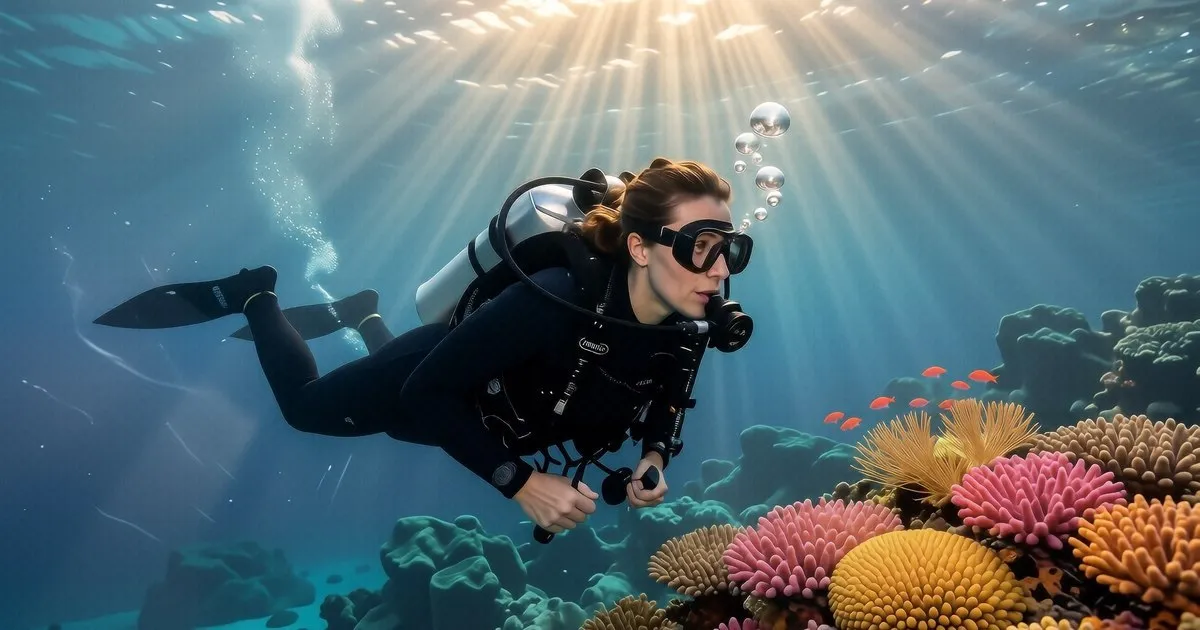
Understanding the Nusa Penida ecosystem
Nusa Penida sits in a high-energy zone. The currents here are unpredictable because the deep ocean water hits the island’s steep walls. I remember diving near Crystal Bay in 2017 when a sudden surge nearly pushed me into the reef. You must respect these waters.
The nutrient density drives the local life. Cold, nutrient-rich water rises from the depths to feed the plankton. This process supports large filter feeders like the manta ray nusa penida populations. It is a biological engine.
Visibility varies wildly. You might see 25 m of clarity one day and only 5 m the next. This depends on the tide and wind patterns. Always check the local forecast before you head out on a boat.
Manta Point vs Manta Bay
Manta Point is the primary feeding zone. It is an open-water site where mantas actively hunt for food. The currents are often quite strong here. You will likely hover in one spot while they pass by.
Manta Bay offers a different experience. This area acts more like a cleaning station. Mantas come here to let small fish remove parasites from their skin. It is much calmer than the main point.
I prefer Manta Point for action. However, Manta Bay is better if you want a relaxed drift. The choice depends on your energy levels that day. Most operators visit both sites during a single trip.
The peak mantas bali season
Timing is everything for these encounters. While you can see mantas year-round, the density changes with the seasons. The best window is August through October. This period offers the highest chance of multiple sightings.
Many divers aim for this specific window. They want to see the overlap with the Mola Mola. These sunfish often appear in the same months as the mantas. It makes for a very busy season.
I saw a group of four mantas in late September 2019. The water was roughly 26 °C during that trip. This temperature is comfortable for most divers. However, the currents were quite aggressive.
If you visit in January, expect different conditions. The rainy season can bring lower visibility and more swell. You might still see mantas, but it is less certain. Plan your trip around the dry months for better results.
Behavior: Feeding vs Cleaning
Watching how they move tells you where they are. At feeding sites, mantas swim with wide mouths. They use their cephalic fins to funnel plankton inside. This looks very different from cleaning behavior.
At a cleaning station, they are much more stationary. They will hover near the reef or hang in the current. Small wrasses will dart around their bodies. It is a fascinating biological process to observe.
Do not expect a choreographed show. Mantas follow their own biological needs regardless of divers. They might swim away if the group gets too large. Patience is your best tool here.
Photographer ethics and diver conduct
Photography can ruin a sighting. If you chase a manta, it will leave. This behavior stresses the animal significantly. It also ruins the experience for other divers in the water.
Avoid using large strobes that flash constantly. The sudden light can startle them. Try to use ambient light or very subtle flashes. This keeps the interaction natural and calm.
I have seen divers try to grab the fins. This is strictly prohibited by local regulations. It is also dangerous for the diver. One flick of a wing can send you spinning.
Respect the distance. Stay at least 3 m away from the animal. If the manta approaches you, let it happen. Do not move toward it aggressively.
Managing currents and visibility
Visibility is a trade-off in Nusa Penida. High nutrient levels mean more food, but also more particles. This can make the water look cloudy. You must adjust your expectations accordingly.
Strong currents are a constant reality. You will often need to use a reef hook. This allows you to stay stable without touching the coral. Check your buoyancy before you enter the water.
I once spent 15 minutes fighting a surge. It was exhausting and quite stressful. Always ensure your buddy is experienced with high-flow sites. Safety should be your primary focus.
If the visibility drops below 5 m, talk to your guide. Some sites become too dangerous in low light. It is better to skip a dive than risk an accident. Use your training from PADI or SSI courses.
Gear requirements for Nusa Penida
Your gear must be reliable. I always carry a spare mask and a bright torch. The currents can knock gear loose easily. Check your straps before every single dive.
Use a thick wetsuit if possible. Even though the water is warm, long dives in current can chill you. A 3 mm or 5 mm suit works well. This helps maintain your core temperature.
Don’t forget a surface marker buoy. The boats in this area move quickly. You need to be visible once you ascend. It is a vital safety precaution for everyone.
Planning your logistics
Most divers stay in Sanur or Nusa Lembongan. From there, a fast boat takes you to Penida. The ride can be bumpy in high swells. Prepare for a short but intense transit.
Daily boat trips usually cost between $40 and $60 USD. This price typically includes two or three dives. It often covers lunch and basic gear rental. Check if your operator includes tanks and weights.
I recommend staying on the island for at least three days. This gives you more flexibility with weather. If Day 1 is bad, Day 2 might be perfect. Flexibility is key to a good trip.
If you have never dived in heavy currents, start at Crystal Bay before attempting Manta Point.
Frequently asked questions
When is the best time for mantas in Bali?
The peak season runs from August to October. During these months, nutrient-rich currents bring more food to the area.
Can I see Mola Mola and Mantas together?
Yes, especially between September and October. Both species frequent the colder upwellings near Nusa Penida during this window.
Is Manta Point safe for beginners?
It is challenging. The currents at [Manta Point](/dive-sites/) can be very strong, so check your experience level first.