How long to wait between diving and flying
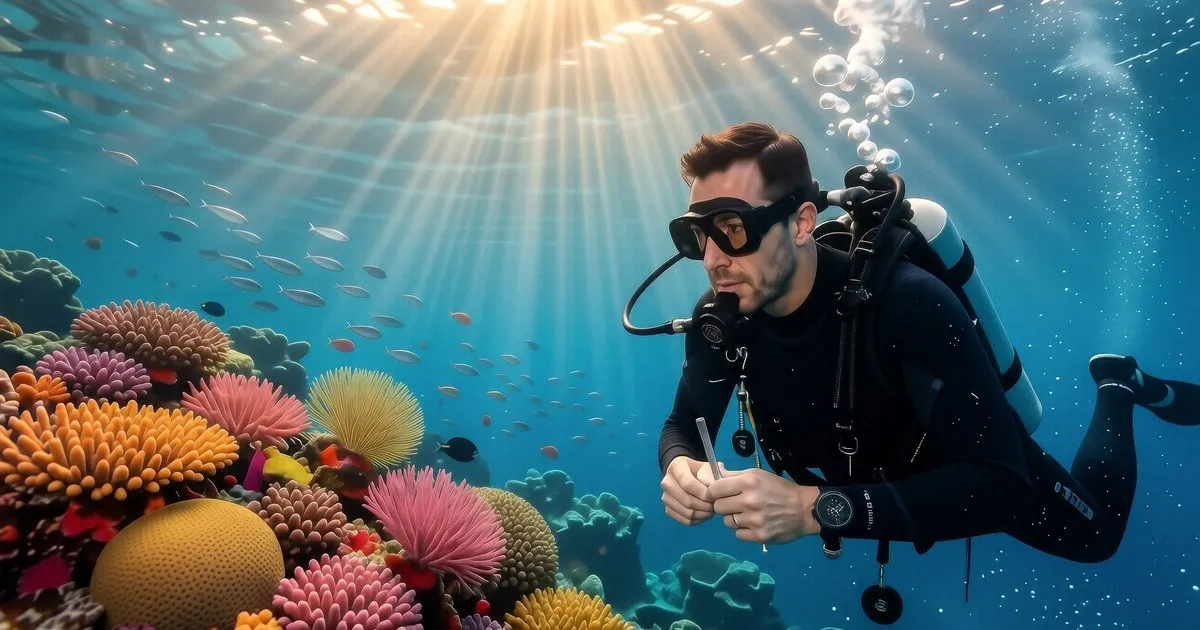
The physics of nitrogen and pressure
Pressure changes drive everything. When you dive to 30 m in Anilao, your body absorbs nitrogen. This gas stays in your tissues after you surface.
Cabin pressure is the problem. Most commercial aircraft maintain a cabin altitude equivalent to roughly 2400 m. This reduction in pressure causes dissolved gases to expand. If you fly too soon, these bubbles can cause decompression sickness (DCS).
It is dangerous. Nitrogen expands when external pressure drops.
DAN guidelines and the 24-hour standard
Safety protocols vary by dive profile. Divers Alert Network (DAN) provides the industry standard for these intervals. They suggest specific windows based on your recent activity levels.
For a single, no-decompression dive, they suggest 12 hours. If you have done multiple dives in one day, wait 18 hours. For any dive involving decompression stops, you must wait at least 24 hours.
Rules are not suggestions. I remember a trip to Komodo in 2016 where a buddy ignored the 18-hour rule. He felt fine for three hours but developed joint pain before his flight. We spent a long night in a clinic because he rushed his schedule.
Follow the strictest rule. It is better to miss a cheap flight than to suffer DCS.
Why lower cruise altitudes fail you
Many people believe low-altitude flights are safe. They think a short hop from Phuket to Bangkok is fine. This is a common misconception among recreational divers.
Cabin altitude remains the key metric. Even if the plane flies at 10000 m, the internal pressure is regulated. The air inside usually mimics an altitude of 2400 m or higher. This level is sufficient to trigger bubble formation in many people.
Do not gamble. The pressure drop is real.
Mountain altitudes and post-dive risks
Flying is not your only risk. Traveling to high-altitude destinations after diving creates similar physiological stresses. If you dive in Koh Tao and then drive to a mountain resort, you face danger.
Pressure decreases as you climb. A mountain at 2500 m offers less protection than sea level. This altitude can cause nitrogen bubbles to grow just like a plane cabin. Always treat high-altitude travel with the same caution as flying.
Watch your elevation. Stay low after your last dive.
Calculating your specific interval
Generic rules are helpful but sometimes insufficient. Your personal dive profile matters more than a standard chart. You should use tools to manage your time effectively.
Use a surface interval calculator for precision. Your dive computer tracks your nitrogen loading in real time. It calculates your specific tissue tension based on depth and duration.
Check your computer. Trust the data it provides.
Most PADI or SSI computers have a ‘flying timer’ feature. This feature tells you exactly how many hours remain before it is safe to fly. I always check this before booking any domestic flights in Southeast Asia. It prevents the stress of wondering if you are safe.
Managing your dive schedule
Planning is your best tool. You should structure your trip so the last dive is at least two days before departure. This provides a massive safety buffer for unexpected delays.
Avoid last-minute dives. A sudden storm can delay a boat, which might push your dive too close to a flight. I once saw a group in Tubbataha lose their window because of weather. They had to wait 48 hours before they could safely fly home.
Plan for delays. Buffer your time by 24 hours.
Signs of decompression sickness
Knowing the symptoms is vital. DCS can manifest in many ways, from mild itching to severe paralysis. You must recognize these signs immediately after a flight or altitude change.
Common symptoms include joint pain and skin rashes. Some divers experience dizziness or extreme fatigue. If you feel ‘the bends,’ seek medical attention at a facility with a hyperbaric chamber.
Do not wait. Early treatment saves lives.
Practical tips for the traveling diver
Hydration is very important. Dehydration can increase the risk of DCS by affecting blood volume. Drink plenty of water between dives and during your flight. Avoid alcohol during your surface interval because it can mask symptoms or dehydrate you further.
Stay active but calm. Do not engage in heavy exercise immediately after diving. This can change your circulation and potentially affect nitrogen off-gassing.
Pack extra time. Always leave a margin for error.
If you are planning a trip, check your flight times against your dive logs. If your last dive is at 14:00 on a Tuesday, do not book a flight before 14:00 on Wednesday if you only did one dive. For safety, aim for Thursday morning instead.
Frequently asked questions
Is a 12-hour wait enough for one dive?
According to DAN (Divers Alert Network) guidelines, 12 hours is the minimum interval for a single, no-decompression dive. However, most safety experts recommend 24 hours to account for individual physiological differences.
Does flying at lower altitudes change the rule?
No. Even at lower cruise altitudes, cabin pressure typically simulates an altitude of 2400m. This pressure drop is enough to trigger bubble formation in nitrogen-loaded tissues.