BCD types explained: jacket, back-inflate, wing
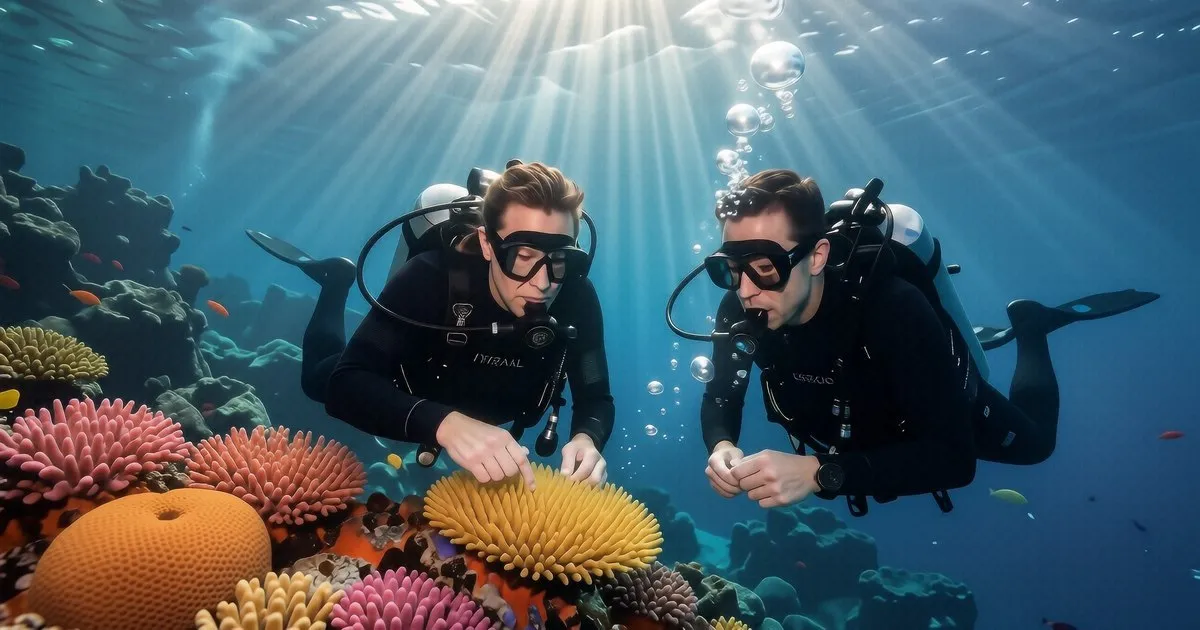
The Jacket BCD Standard
Most rental shops use jacket BCDs. These units wrap around your torso like a life vest. They provide high buoyancy in the chest area. This design helps beginners stay upright on the surface. I remember my first PADI Open Water course in 2008 when the instructor used a heavy Scubapro jacket.
It feels very secure. Because the air bladder surrounds your body, you feel stable when you are floating. However, this shape often forces your legs to sink during a dive. You might struggle with trim if you do not use enough weight.
Stability is high. Although it helps with surface comfort, the jacket design makes horizontal swimming harder for advanced divers. If you want to practice advanced buoyancy skills, a jacket might feel restrictive.
Back-Inflate BCD Mechanics
Back-inflate models move the air bladder to your spine. This shifts the center of buoyancy higher up. It creates more space around your waist. Many divers prefer this for better movement.
Trim improves quickly. Since the air is behind you, your body naturally wants to lie flat in the water. I noticed a huge difference when I switched to a back-inflate unit during a trip to Anilao in 2015.
It feels different. You might feel less ‘hugged’ by the gear compared to a jacket. This is because the bladder does not wrap around your chest as tightly. Some people find this sensation strange at first.
The Technical Wing BCD
A wing BCD is a modular system. It consists of a donut-shaped bladder and a backplate. This setup is the standard for technical diving. It allows for precise control over your position.
Everything is adjustable. You can change the size of the wing or the weight of the backplate because these parts are separate components. This modularity is why many tech divers choose this route.
It requires practice. Because the lift is concentrated in a donut shape, you must learn to balance your air carefully. You cannot just dump air quickly like you do with a jacket BCD.
Precision is key. While it has a steeper learning curve, the control you gain over your trim is much higher than any other type. It is a serious tool for serious divers.
Comparing Back Inflate vs Jacket BCD
Choosing between these two depends on your goals. Jacket BCDs are great for recreational fun. They keep you easy to manage at the surface. This is helpful when you are tired after a long dive.
Back-inflate BCDs focus on underwater efficiency. They help you maintain a horizontal position without constant finning. I saw many students in Cebu struggling with heavy leg movements because their jacket BCDs were poorly fitted.
Which one fits you? If you primarily dive in calm, shallow water, a jacket is fine. However, if you plan to explore wrecks or deep reefs, back-inflate is better. It makes staying level much easier.
Price also matters. Jacket BCDs are often cheaper to buy. You can find decent entry-level models for $400. Back-inflate units usually start closer to $600 because the design is more complex.
Vertical vs horizontal. A jacket lifts you up like a buoy. A back-inflate unit supports your spine and keeps you flat. This distinction changes how you interact with the underwater environment.
Lift Capacity and Weight Systems
Do not ignore lift numbers. Every BCD has a specific weight rating in kilograms. You must match this to your gear. A 20kg lift might fail if you wear a thick wetsuit.
Calculate your needs. You should add your body weight, the weight of your tank, and the weight of your suit. If you dive in cold water with a 7mm suit, you need more lift. I once saw a diver in Tubbataha struggle because his BCD was too small for his heavy gear.
Steel vs aluminum. Using steel tanks changes your buoyancy requirements. Steel is heavier and sits lower. This can help with trim if you use a back-inflate system. Aluminum tanks are lighter but might make your legs sink.
Check the labels. Most manufacturers print the lift capacity on the tag. Do not guess this number. A mistake here leads to a very difficult ascent or descent.
Best BCD for Travel
Travelers need light gear. Carrying a heavy jacket BCD on a plane is difficult. Many people look for lightweight options. This is where specialized travel BCDs come in.
Weight is the enemy. Some travel units use thinner materials to save kilos. They might only weigh 2kg compared to 5kg for a standard model. This makes a big difference for your airline fees.
Durability is a trade-off. Because these BCDs are lighter, they can sometimes feel less rugged. I used a lightweight inflatable vest in Komodo in 2019 and it held up well. However, I would not use it for daily training sessions.
Compact designs help. Look for models that fold easily into a suitcase. Some brands make BCDs that roll up like a sleeping bag. These are perfect if you move between multiple dive sites frequently.
When to Buy Your Own Gear
Buying gear is an investment. Prices range from $400 for basic jackets to $1200 for high-end wings. You should buy your own if you dive more than 30 times a year. It ensures a perfect fit.
Fit is everything. Rental gear is often worn out or poorly sized. Having your own BCD means you know exactly how it reacts to your breathing. This builds massive confidence underwater.
Hygiene is another factor. You do not have to worry about someone else’s sweat or salt. It is a personal piece of equipment that stays clean. This is a major plus for many divers.
Resale value matters too. Good brands hold their value well. If you upgrade in three years, you can often recover 50% of your cost. This makes the initial high price easier to swallow.
Final Gear Selection Tips
Test before you buy. Go to a local shop and try on different models. Feel how the straps sit on your shoulders. A bad fit will cause pain during long dives.
Think about your future. If you want to go into technical diving, buy a wing now. It saves you from buying a second BCD later. This prevents wasting money on gear you will outgrow.
Check the accessories. Some BCDs require specific integrated weight systems. Others use traditional weight belts. Make sure your existing weights work with the new unit.
Plan your next trip. If you are heading to a high-current area like Manta Point, ensure your BCD has enough lift for heavy tanks. Check your gear thoroughly before you fly.
Frequently asked questions
How much lift capacity do I need?
Most divers need between 20kg and 30kg of lift. You must calculate this based on your body weight plus the weight of a 7mm wetsuit and heavy steel tanks.
Is a jacket BCD better for beginners?
Yes, jacket BCDs are easier to use because they keep you vertical at the surface. This makes it simpler to breathe while waiting for your boat in Koh Tao.